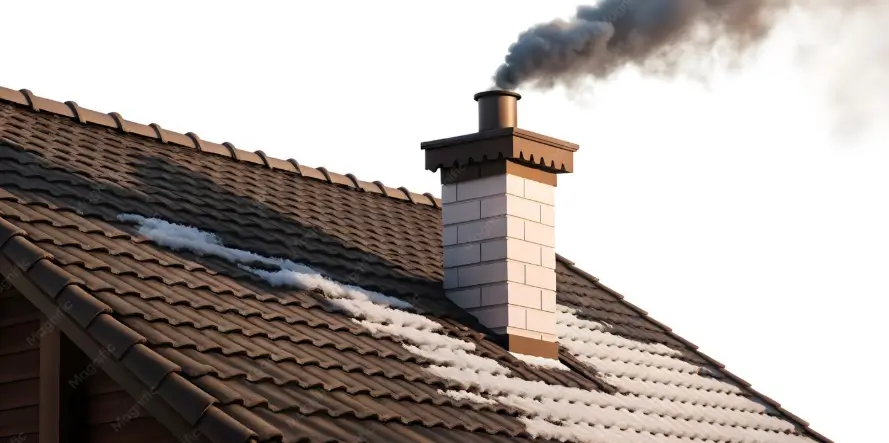
A chimney rarely fails without warning. Most chimney problems develop slowly over time, showing subtle signs before major repairs become necessary. The challenge for many homeowners is knowing what to look for before small issues become expensive structural problems.
Many people assume chimney damage only matters if smoke stops flowing properly or bricks begin falling apart. In reality, hidden moisture, tiny cracks, and poor ventilation often start causing damage long before visible failure happens. Learning how to spot early warning signs helps protect your home, improve safety, and reduce repair costs over time.
What Early Warning Signs Suggest Your Chimney May Be Developing Hidden Damage?
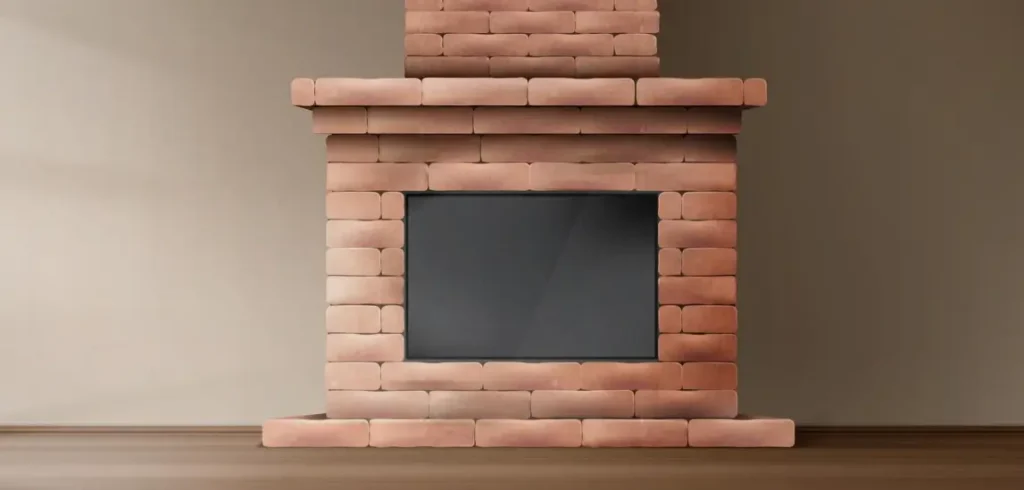
Most chimney damage begins quietly. Homeowners often notice subtle changes without realizing they point to larger structural concerns.
Common warning signs homeowners should watch for
- Cracks forming around bricks or mortar joints
- White staining on chimney surfaces called efflorescence
- Smoke entering indoor living areas
- Damp odors near fireplaces or chimney walls
Interior signs that often go unnoticed
- Water stains near ceilings or fireplaces
- Peeling paint close to chimney structures
- Small pieces of brick or debris near the hearth
Why early attention matters
- Small repairs are often less expensive
- Prevents hidden moisture from spreading damage
- Helps avoid emergency structural problems later
Many homeowners delay inspections because the chimney still “looks fine” from a distance. Unfortunately, chimney deterioration often starts internally where problems remain hidden until repair costs increase.
How Can Small Chimney Cracks Turn Into Expensive Structural Problems Over Time?
Small cracks may seem harmless at first, but chimneys constantly expand and contract due to temperature changes. Over time, moisture enters those openings and weakens the structure.
Problems caused by untreated chimney cracks
- Water intrusion behind masonry materials
- Faster brick deterioration during seasonal weather changes
- Increased risk of chimney leaks and instability
Areas where cracks commonly develop
- Mortar joints between bricks
- Chimney crown surfaces
- Flashing around roof connections
Ways homeowners can reduce long term damage
- Schedule inspections after severe weather
- Address visible cracks early
- Monitor recurring moisture stains or odors
Many people believe major chimney repairs happen suddenly. In reality, chimney cleaning maintenance plays an important role because damage often grows from ignored minor cracks that gradually weaken the system over months or years, eventually leading to more serious and costly repairs.
Which Interior and Exterior Chimney Issues Should Homeowners Never Ignore?
Not every chimney issue looks dramatic. Some of the most serious warning signs appear subtle and are easy to dismiss.
Exterior chimney issues that deserve attention
- Leaning chimney structure
- Missing or crumbling mortar
- Loose or broken bricks
- Rusted flashing near rooflines
Interior warning signs homeowners should monitor
- Strong smoke smells indoors
- Black soot buildup around fireplace openings
- Draft problems or poor airflow
Common moisture related concerns
- Mold growth near chimney walls
- Stained ceilings or drywall
- Water pooling around fireplace components
The most overlooked issue is moisture. Many homeowners think chimney damage comes only from fire exposure, but water intrusion is often the biggest cause of long term deterioration.
Experienced professionals like Akraba construction often identify moisture problems before homeowners even realize the chimney is being affected.
What Common Chimney Inspection Mistakes Cause Damage to Go Undetected?
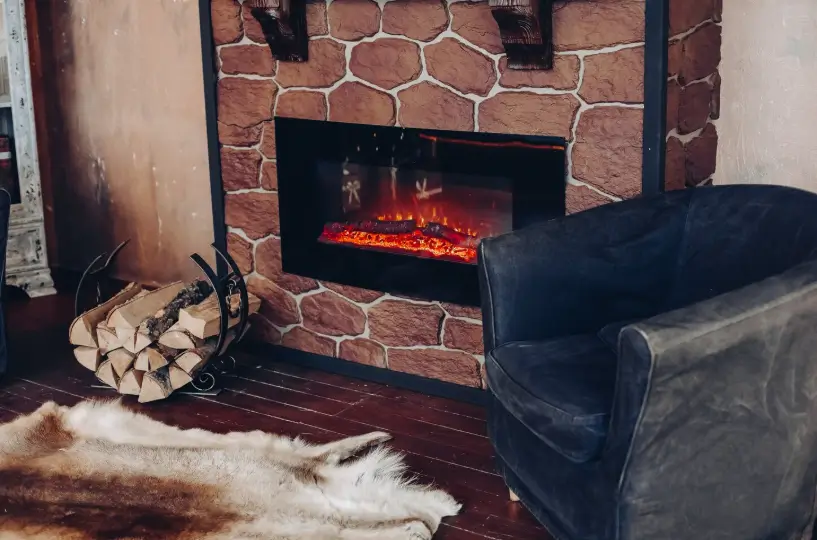
One of the biggest mistakes homeowners make is inspecting only visible areas. Chimneys are systems with hidden components that affect long term performance.
Common inspection mistakes
- Looking only at exterior brickwork
- Ignoring attic or roofline connections
- Waiting until smoke problems appear
- Skipping yearly maintenance reviews
Misconceptions that lead to delayed repairs
- Assuming light fireplace use means no maintenance is needed
- Believing cracks are cosmetic only
- Waiting for obvious leaks before acting
Better inspection habits homeowners can follow
- Schedule annual visual checks
- Inspect chimneys after storms or freezes
- Pay attention to smells, stains, and airflow changes
Homeowners often search for problems only after something becomes obvious. A smarter approach focuses on early prevention rather than emergency repair.
Expert Insight. How Do Professionals Identify Chimney Damage Before Major Repairs Are Needed?
Professional chimney inspections go beyond what homeowners can easily see. Specialists evaluate masonry condition, moisture levels, airflow performance, flashing integrity, and structural stability.
Experienced teams like Akraba construction understand how chimney systems respond to weather exposure, heating cycles, and long term wear. Instead of treating only visible symptoms, professionals investigate the source of recurring problems.
Professionals also recognize patterns that homeowners often miss. A small crack near flashing, slight discoloration, or weak mortar can signal deeper structural concerns that deserve attention before repair costs increase.
The best chimney maintenance strategy focuses on prevention. Identifying damage early protects safety, preserves structural integrity, and keeps small repairs from becoming large restoration projects.
Ready to Protect Your Chimney Before Small Problems Become Expensive?
If you have noticed signs of chimney wear or simply want peace of mind, early inspection can make a major difference in protecting your home. Small warning signs often grow into larger repairs when left untreated, but proactive maintenance helps improve safety and reduce long term costs.
To learn more about the craftsmanship and experience behind every project, visit the About Us page to better understand the company’s approach to quality and service. When you are ready to discuss chimney concerns or schedule an inspection, the Contact Us page makes it easy to connect with a professional.
You can also call 469-409-4249 to speak directly with an expert who can help identify chimney damage early and recommend the right next steps for long term home safety.