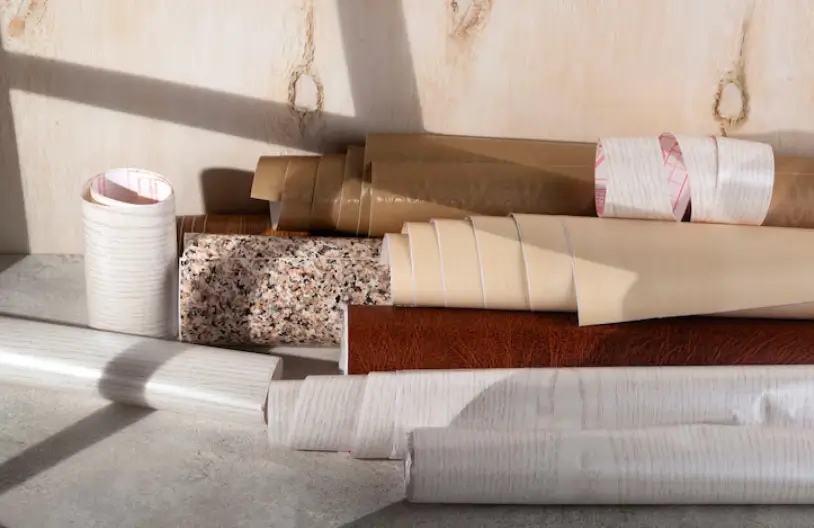
Choosing the right insulation materials is one of the most important decisions homeowners can make when improving comfort, reducing energy waste, and protecting long term home performance. While many people focus on cost alone, insulation works best when selected based on durability, efficiency, moisture control, and overall home design.
Many homeowners hear the same advice that “more insulation is always better,” but that is not always true. The best insulation systems are carefully matched to the home, climate, and areas where energy loss occurs most. Modern homes benefit most from insulation that performs consistently over time rather than simply adding thicker layers everywhere.
What Insulation Materials Work Best for Modern Homes and Long Term Efficiency?
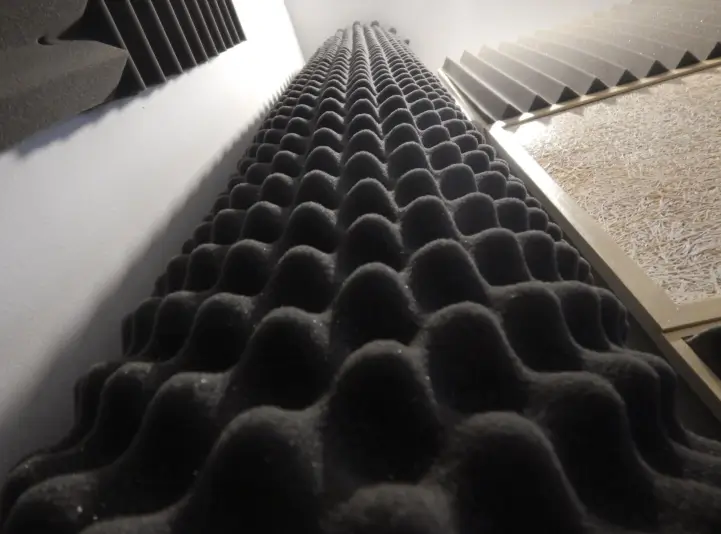
Different insulation materials offer different benefits depending on how and where they are used. A solution that works perfectly in an attic may not be ideal for walls or crawl spaces.
Common insulation materials homeowners choose
- Fiberglass insulation for affordability and flexibility
- Spray foam insulation for strong air sealing performance
- Cellulose insulation for environmentally friendly applications
- Rigid foam boards for moisture resistance and structure support
Why material selection matters
- Different areas of the home lose heat differently
- Moisture exposure affects insulation lifespan
- Air sealing plays a major role in energy efficiency
Practical homeowner considerations
- Budget and installation requirements
- Existing insulation condition
- Long term maintenance expectations
The best material is not always the newest or most expensive option. Homes perform best when insulation is selected strategically instead of relying on a one size fits all approach.
How Do Different Insulation Types Affect Comfort, Energy Savings, and Durability?
Insulation affects more than monthly utility bills. It changes how comfortable the home feels, how hard HVAC systems work, and how stable indoor temperatures remain throughout the year.
Comfort improvements homeowners often notice
- Fewer hot and cold spots between rooms
- Better indoor temperature consistency
- Improved sound reduction between spaces
Energy efficiency advantages
- Reduced heating and cooling demand
- Lower monthly energy costs
- Better HVAC system performance over time
Durability factors homeowners should evaluate
- Moisture resistance in humid areas
- Resistance to settling or compression
- Lifespan under changing temperatures
Many homeowners focus only on short term savings, but long term performance often delivers the biggest value. A properly insulated home feels more comfortable every day while quietly lowering energy waste in the background.
Which Areas of the Home Require Specific Insulation Materials for Better Performance?
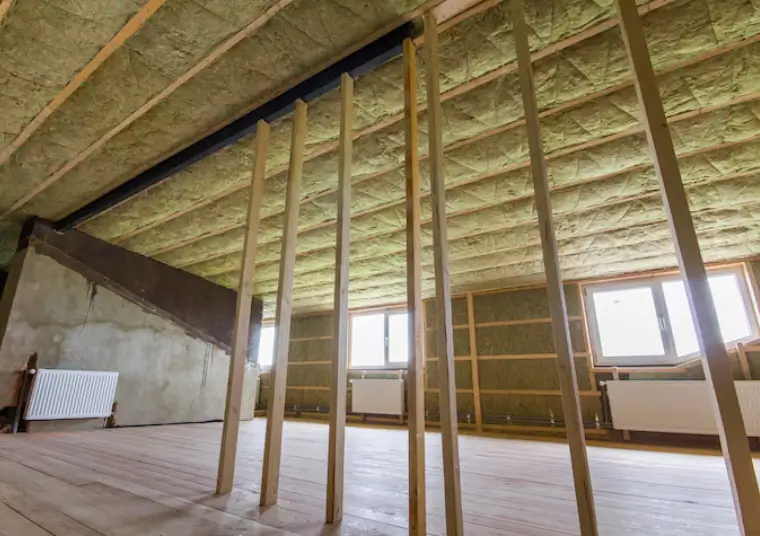
Every part of the home experiences heat transfer differently, which means insulation should be selected based on location and performance needs.
Areas where insulation matters most
- Attics and rooflines for temperature regulation
- Exterior walls for thermal protection
- Crawl spaces and basements for moisture control
Recommended insulation approaches
- Spray foam for sealing air leaks in attic spaces
- Fiberglass for wall cavities and ceilings
- Foam boards for basements and moisture exposed areas
Why proper placement matters
- Prevents uneven indoor temperatures
- Reduces hidden moisture issues
- Supports long term structural protection
Many homeowners assume insulation upgrades only belong in attic spaces, but whole home performance depends on how every insulated area works together.
Experienced teams like Akraba construction assess how airflow, moisture, and building structure interact before recommending insulation materials.
What Common Mistakes Should Homeowners Avoid When Choosing Insulation Materials?
One of the biggest mistakes homeowners make is selecting insulation based only on price. Lower upfront cost may lead to higher energy waste and reduced performance later.
Common insulation mistakes
- Choosing material without considering climate
- Ignoring moisture concerns in certain spaces
- Installing insulation without sealing air leaks
- Overlooking aging or damaged existing insulation
Problems caused by poor insulation choices
- Uneven room temperatures
- Higher utility costs
- Increased strain on HVAC systems
- Reduced indoor comfort
Better decision making habits
- Evaluate the entire home system
- Focus on performance and durability
- Work with experienced professionals for recommendations
Many homeowners search online for quick answers and assume one material works best for every situation. A proper guide to home insulation explains that insulation success depends on matching material performance with the specific needs of the home, including climate, energy goals, and structural design.
Expert Insight. How Do Professionals Select Insulation Systems for Long Term Home Performance?
Professional insulation planning looks at how the entire home functions rather than isolated problem areas. A successful insulation system balances temperature control, airflow, ventilation, and moisture resistance.
Experienced professionals like Akraba construction begin with a full evaluation of energy loss areas before recommending upgrades. This includes reviewing attic conditions, wall performance, ventilation systems, and areas where air leakage may be reducing efficiency.
Professionals also understand that insulation works best as part of a complete performance system. Adding more material alone may not solve underlying issues if ventilation and air sealing are ignored.
The strongest long term results come from smart planning rather than quick fixes. Proper insulation helps homes feel more stable, comfortable, and energy efficient season after season.
Ready to Improve Comfort and Energy Efficiency in Your Home?
If you are planning insulation upgrades, choosing the right materials can make a major difference in long term comfort, energy savings, and home performance. A properly designed insulation system improves temperature consistency, reduces utility costs, and protects the home from avoidable wear over time.
To learn more about the craftsmanship and experience behind every project, visit the About Us page to better understand the company’s approach to quality work and long term solutions. When you are ready to discuss insulation improvements, the Contact Us page makes it easy to connect with a professional.
You can also call 469-409-4249 to speak directly with an expert who can help you choose insulation solutions designed for comfort, efficiency, and lasting performance in your home.